The Battle of Lake Erie: How 9 Ships Built from Nothing Changed a War
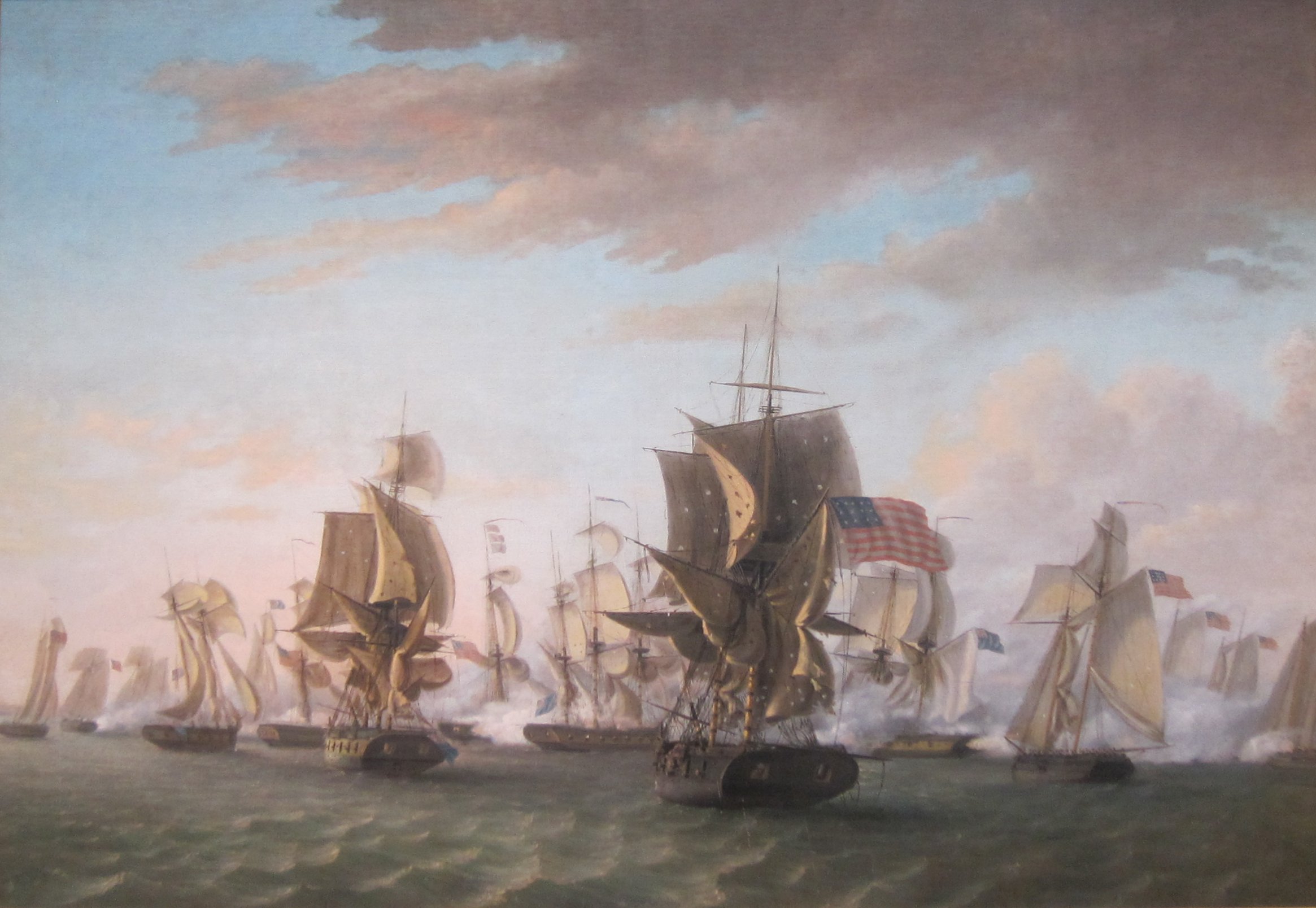
On the morning of September 10, 1813, nine American warships sailed out to meet six British vessels near Put-in-Bay on the western end of Lake Erie. By three o'clock that afternoon, every British ship had been captured. The entire enemy fleet. Not one escaped.
The American commander was 27 years old. His flagship was destroyed. He rowed through cannon fire in an open boat to reach a second ship, broke through the British line, and won the battle in under three hours.
His name was Oliver Hazard Perry.
Building a Fleet from Nothing
The British controlled Lake Erie at the start of 1813. The Americans had no warships on the lake. To fight for control, they had to build a fleet from scratch in the wilderness of northwestern Pennsylvania, at a harbor called Presque Isle, present-day Erie.
The two largest ships, Lawrence and Niagara, were both 20-gun brigs built from green timber cut in the surrounding forests. The whole operation, from authorization to sail-ready, took about nine months. The shipbuilder Noah Brown later said he built them "with one purpose only: to fight."
The Flag
Before the battle, Perry flew a flag bearing the words "DONT GIVE UP THE SHIP." It was a tribute to Captain James Lawrence, commander of the USS Chesapeake, who spoke those words as he lay dying from enemy fire three months earlier.
The flag was sewn by Margaret Forster Steuart of Erie, Pennsylvania, with help from her daughters, nieces, and a cousin. It was finished in days.
Perry carried it with him when he transferred from the Lawrence to the Niagara in the middle of the battle. It flew over the British surrender.
The Battle
At 11:45 AM on September 10, the first shots were fired. Perry in the Lawrence led the attack against the British flagship Detroit and the Queen Charlotte.
The British concentrated their fire on the Lawrence. For nearly three hours, she absorbed the worst of it. By 2:30 PM, every gun on her starboard side was disabled. Four out of every five crew members on the Lawrence were killed or wounded. She accounted for 83 of the American fleet's 123 total casualties.
Perry refused to surrender. He took his battle flag, and with four unwounded sailors and a free Black assistant named Cyrus Tiffany who shielded him from enemy fire, boarded a cutter and rowed through the battle to the Niagara, which had held back under Commander Jesse Elliott.
Perry took command of the Niagara and drove her straight through the British line, firing broadsides from both sides at once. The battered British ships could not respond. Commander Robert Heriot Barclay, already wounded, struck his colors. By shortly after 3 PM, all six British vessels had surrendered.
"We have met the enemy and they are ours"
Perry's dispatch to General William Henry Harrison after the battle was nine words:
"Dear General: We have met the enemy and they are ours. Two ships, two brigs, one schooner and one sloop. Yours with great respect and esteem, O.H. Perry."
It remains one of the most famous military dispatches in American history.
---
Sources: National Park Service, Perry's Victory and International Peace Memorial; U.S. Naval History and Heritage Command; American Battlefield Trust; Naval Historical Foundation; Erie Maritime Museum.