Cleveland's Most Common Boating Mistakes (and How to Avoid Them)
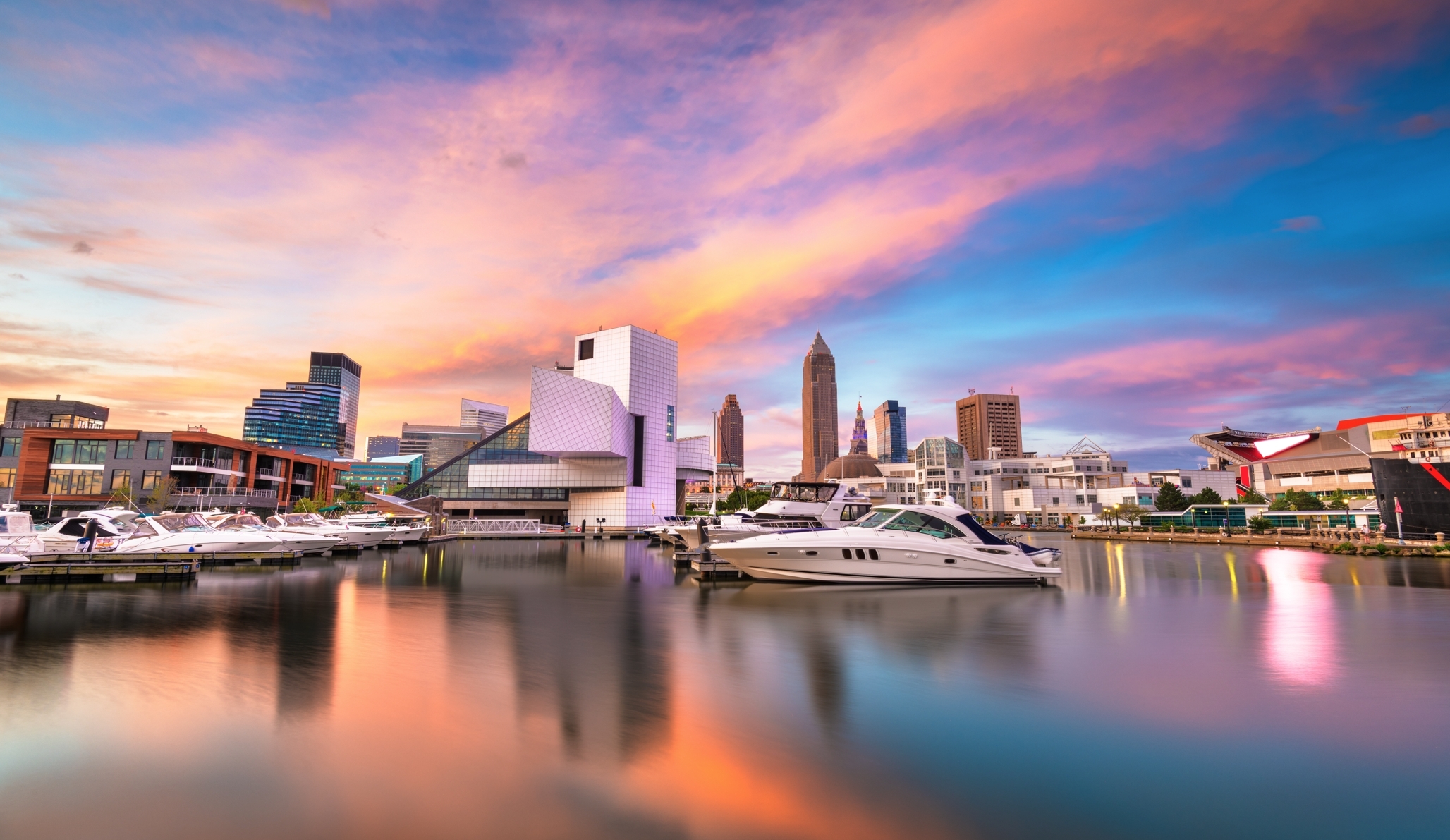
Cleveland's lakefront puts you on some of the best water in the Great Lakes. Central basin walleye, smallmouth off the breakwall, day trips to the islands - it's all right here. But the lake doesn't care how close you are to home. Every summer, boaters make the same mistakes out of Cleveland, and some of them end with a Coast Guard call.
Here's what to watch for.
1. Ignoring the Northeast Wind
This is the big one. A northeast wind on Lake Erie is a completely different animal than a southwest wind at the same speed. Northeast winds push open lake swells directly into Cleveland's shoreline with nothing to break them up. A 15 mph southwest wind might give you 1-2 foot chop. A 15 mph northeast wind can stack 3-4 footers at the harbor entrance.
Check the wind direction before you go, not just the speed. If it's blowing northeast above 15, think twice. If it's above 20, stay home unless you're in a big boat and know what you're doing.
2. Running Out the Breakwall Without Looking Back
The breakwall at Cleveland Harbor creates a false sense of security. Inside the wall, the water is flat. You idle out, everything feels fine, and then you clear the end and get hit by 3 foot rollers you didn't know were there.
Before you commit to a full day offshore, clear the breakwall and sit for a minute. Look at what's out there. If it's rougher than you expected, turning around right there is a lot better than turning around 5 miles out.
3. Not Carrying Enough Fuel
The central basin is big. Guys run 15-20 miles offshore chasing walleye and forget that's a 40 mile round trip. Add trolling time, fighting current, and running against waves on the way back, and fuel burn goes up fast.
Rule of thumb: one third out, one third back, one third reserve. If your boat holds 60 gallons, plan to use no more than 40. Running out of gas 10 miles offshore with a building west wind is not where you want to be.
4. Launching Without Checking the Drain Plug
It happens every single weekend at E. 55th. Someone backs the boat in, pulls away from the ramp, and water starts pouring in through the transom. The drain plug is still sitting in the truck's cup holder.
Put the plug in before you leave your driveway. Or tape a reminder to your ignition key. Whatever works. Just don't be the guy holding up the ramp while everyone watches you scramble.
5. Underestimating Afternoon Storms
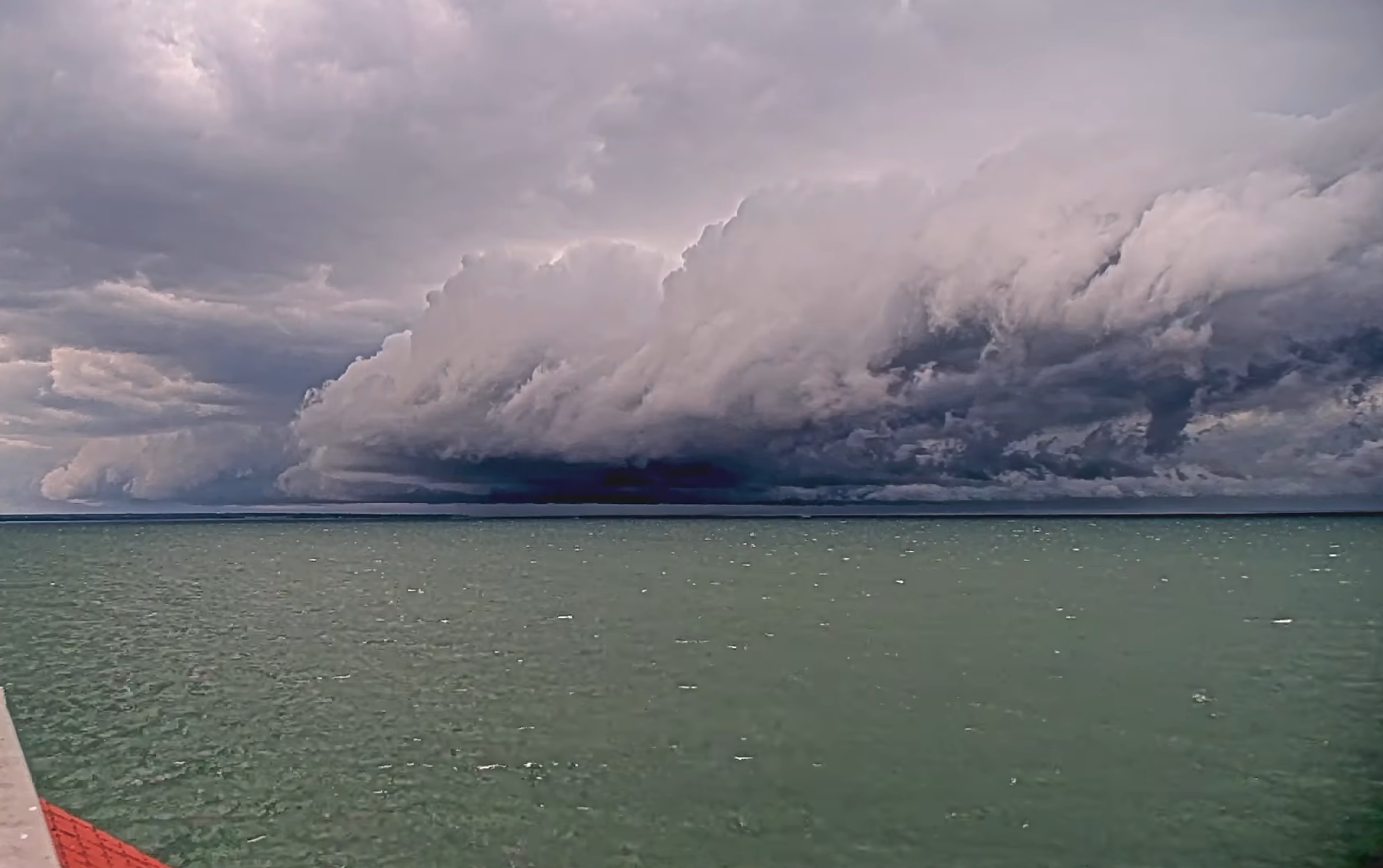
Cleveland summer afternoons are notorious for fast-moving thunderstorms. The morning forecast says partly cloudy. By 2 PM, a cell is building over Akron and moving north at 30 mph. You've got maybe 20 minutes of warning before lightning is on top of you.
Watch the sky to the south and southwest. If you see towers building, start heading in. Don't wait for the rain. Lightning can strike miles ahead of the actual storm. The NOAA weather radio on your VHF (channel WX1 or WX2) gives updated warnings faster than your phone.
6. Overloading the Boat
The capacity plate on your boat exists for a reason. A 19-foot bowrider rated for 8 people handles fine with 4 adults and some gear on a calm day. Put 8 adults, a full cooler, tubes, and a wakeboard in there and you're pushing it. Add any kind of chop and you're taking water over the stern.
If you're running out of Cleveland's harbor into open water, you want freeboard. That means keeping weight down. Fewer people, less gear, and the heavy stuff low and centered.
7. Not Having a Float Plan
You don't need to file paperwork. Just tell someone where you're going and when you'll be back. "We're fishing the crib, should be back by 4." That's it.
If something goes wrong - engine failure, medical emergency, you run aground on a shoal - someone on shore needs to know where to start looking. Your phone might be dead. Your radio might not reach. A float plan is the simplest safety step and almost nobody does it.
8. Skipping the Weather Check at the Dock
You checked the forecast at 6 AM. It said 5-10 mph winds. By the time you get to the ramp, rig up, and launch, it's 9:30 and conditions may have changed completely. Lake Erie weather moves fast, especially in the central basin.
Check conditions again at the dock before you launch. Pull up the CNDO1 buoy data for real-time wind and waves right off Cleveland. Or just look at the lake. If the water looks different than what the forecast said, trust your eyes.
9. Forgetting About the Cuyahoga River Current
If you're entering or exiting through the Cuyahoga River channel, be aware of the current. After heavy rain, the river pushes hard and can catch you off guard, especially at idle speed. It also brings debris - logs, branches, trash - that can damage props and lower units.
After a big rain, keep your eyes on the water in the channel. Go slow. And watch for commercial traffic - those freighters have the right of way and they can't stop.
10. Trying to Beat the Weather Home
This one gets people hurt. The sky is getting dark, the wind is picking up, and instead of ducking into the nearest harbor or anchoring in the lee of the breakwall, you decide to make a run for your home marina 8 miles away.
The lake goes from manageable to dangerous faster than most people believe. If conditions are deteriorating, get to the nearest safe harbor. Cleveland, Rocky River, and Edgewater are all close together. Don't pass safe shelter to get to your slip.
---
The Bottom Line
Most of these aren't about skill. They're about preparation and humility. The experienced boaters out of Cleveland will tell you the same thing - the lake will humble you if you let your guard down. Check the weather, know your limits, carry enough fuel, and tell someone where you're going. That's 90% of staying safe out there.
Lake Erie Pulse gives you real-time buoy data, live wind and wave conditions, marine forecasts, and active weather alerts for every port from Toledo to Erie - all in one place. Set your home port, save your boat, and get a personalized GO / CAUTION / NO-GO forecast delivered to your inbox every morning at 6 AM. Check conditions before every trip at lakeeriepulse.com/conditions.