Lake Erie Weather History: The Day Hurricane Ike Reached Ohio
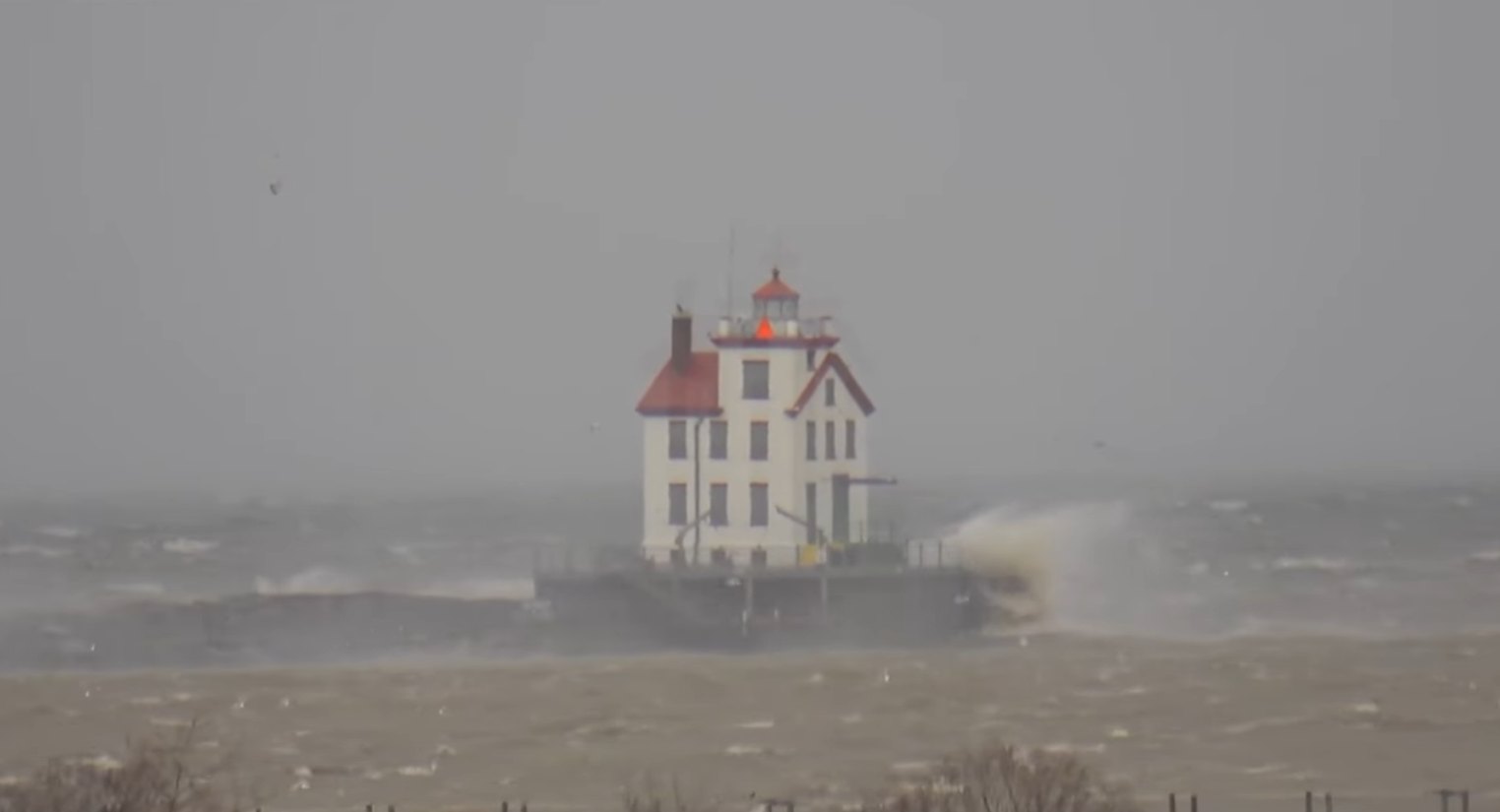
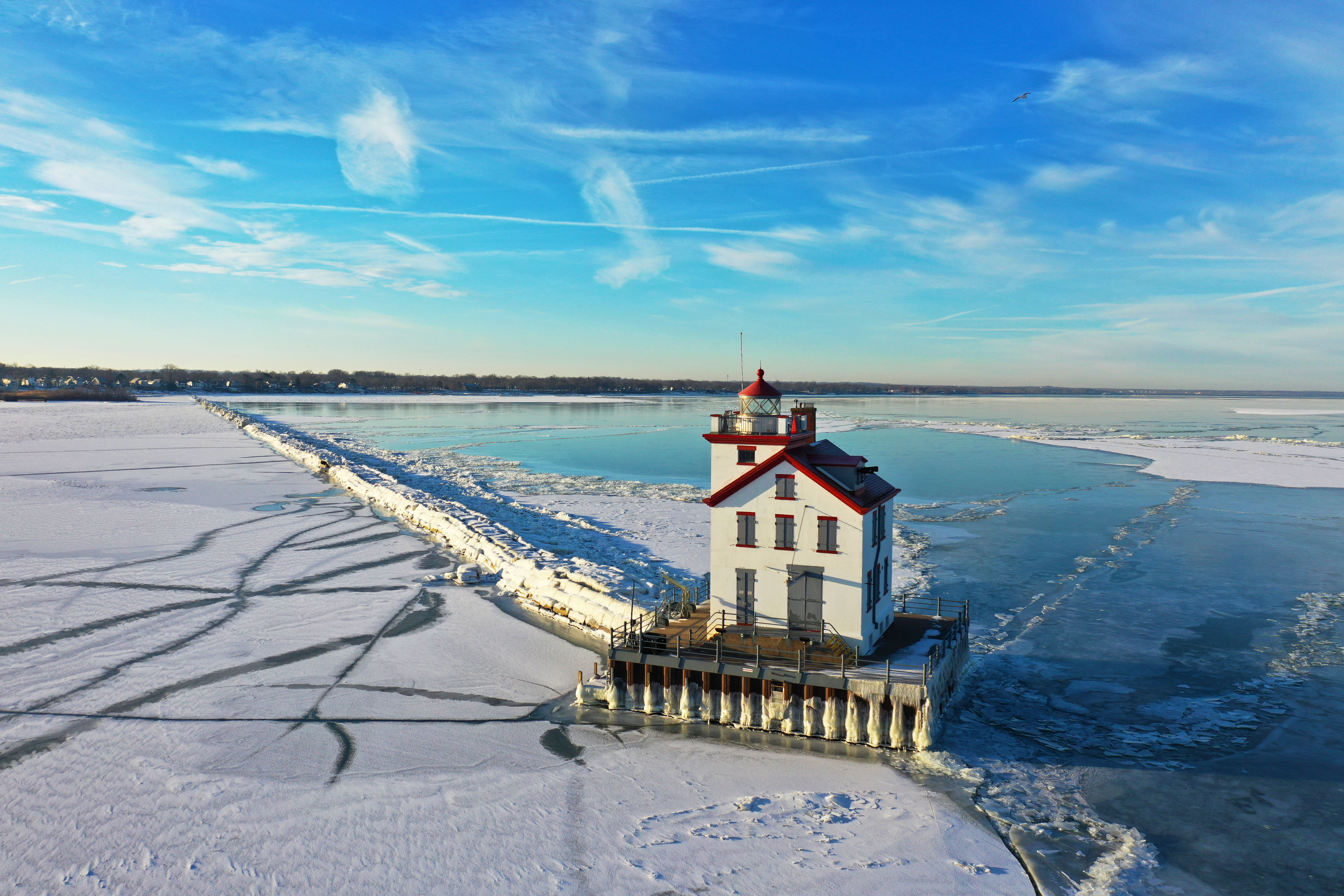
Eighteen years ago this September, Lake Erie had one of those perfect late-summer Sundays. Sunny, warm, not a drop of rain in the forecast or the sky. By that evening, September 14, 2008, the wind was gusting to 71 mph at the Lorain County Airport and 78 mph up at the Ashtabula lighthouse, trees were down all over the region, and a couple million Ohioans were sitting in the dark.
That was Hurricane Ike. Or what was left of it.
Ike had come ashore way down in Texas days earlier. By the time it reached Ohio it wasn't a hurricane on paper anymore, but nobody told the wind. It hooked up with a cold front, the pressure gradient tightened, and the whole system came racing across the state at better than 40 mph on its windy side. No rain, no warning sky, just blue and then bedlam. The National Weather Service still calls it one of the most damaging windstorms in Ohio history.
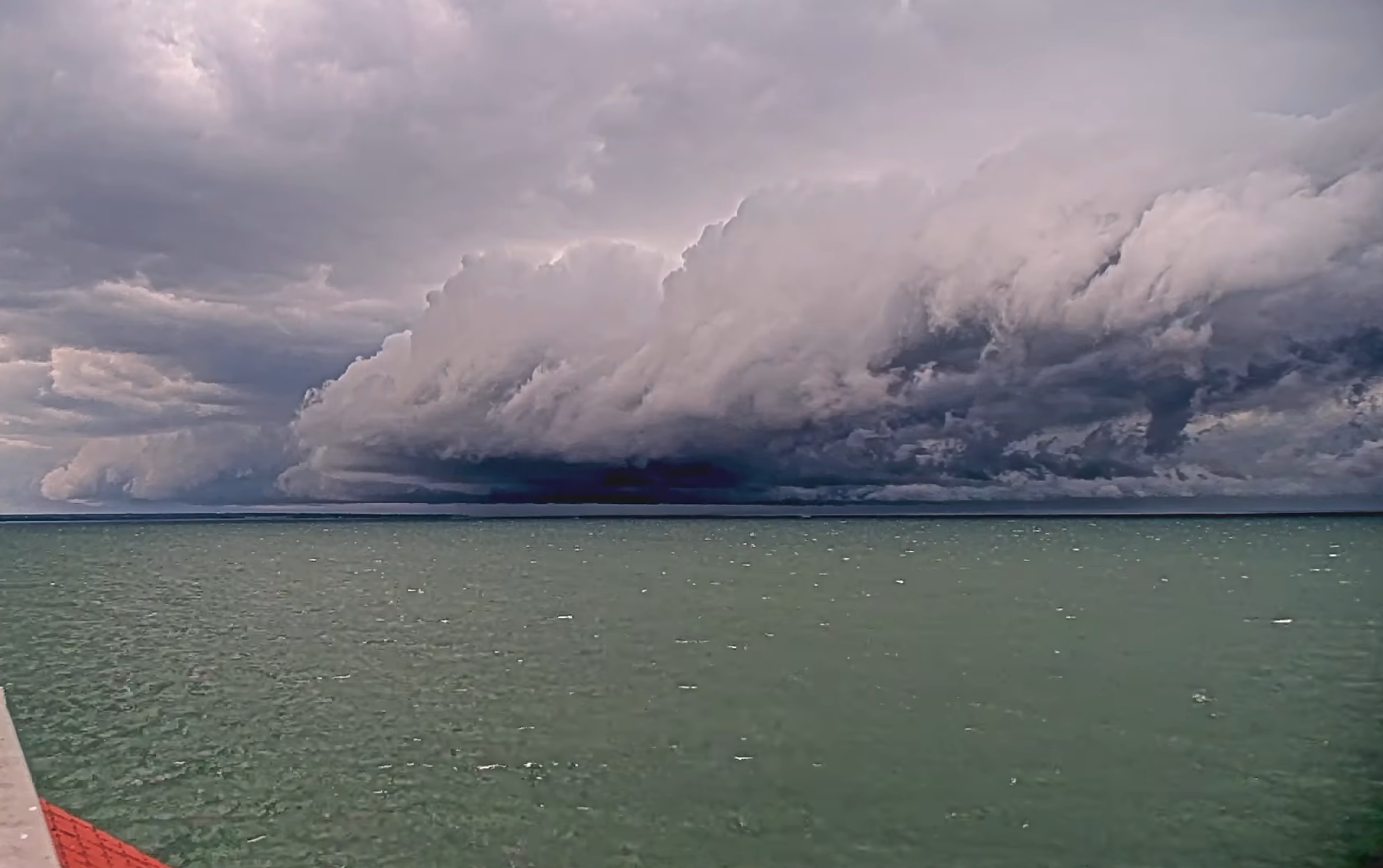
Ike was a freak, but the ingredient wasn't. The thing that made that day so nasty is out on the lake every single fall. Erie's the shallowest of the Great Lakes, so it spends all summer soaking up heat and hangs onto it. When the first cold fronts of the season start rolling down from Canada, that cold air drops right on top of still-warm water, and that mismatch is what powers up storms. Most Septembers you don't get a hurricane's leftovers. You get thunderstorms, and plenty of them, usually in the afternoon.
And the occasional waterspout. That same warm-water, cold-air combo can spin one up. The Great Lakes get most of theirs in late September and October, and Erie's one of the busier lakes for it.
Why this matters if you're out there. On open water you're the tallest thing around and there's nowhere to hide, whether you're in a boat, on a kayak or a paddleboard, or standing in the shallows with a rod. Wind stacks up waves on Erie in a hurry because it's so shallow, and lightning doesn't care how nice your morning was. The National Weather Service puts fishing and water activities near the top of its list for lightning deaths every year, and it's simple math: folks out in the open are slow to get back in.
Read the day, not just the morning. If Ike taught the lake anything, it's that a beautiful sunrise is worth exactly nothing by evening. Take a look at what the day's actually setting up to do before you launch, keep an eye to the west once you're out, and leave yourself real time to get back. Radar and marine alerts will almost always see it coming before you do.
September's still the best stretch of the year out here. Warm water, thinner crowds, some of the prettiest days all season. Just remember the lake's pulled a few September surprises before, and give it the respect it earned.