The Lake That Came Back: A Love Letter to Fishing on Lake Erie
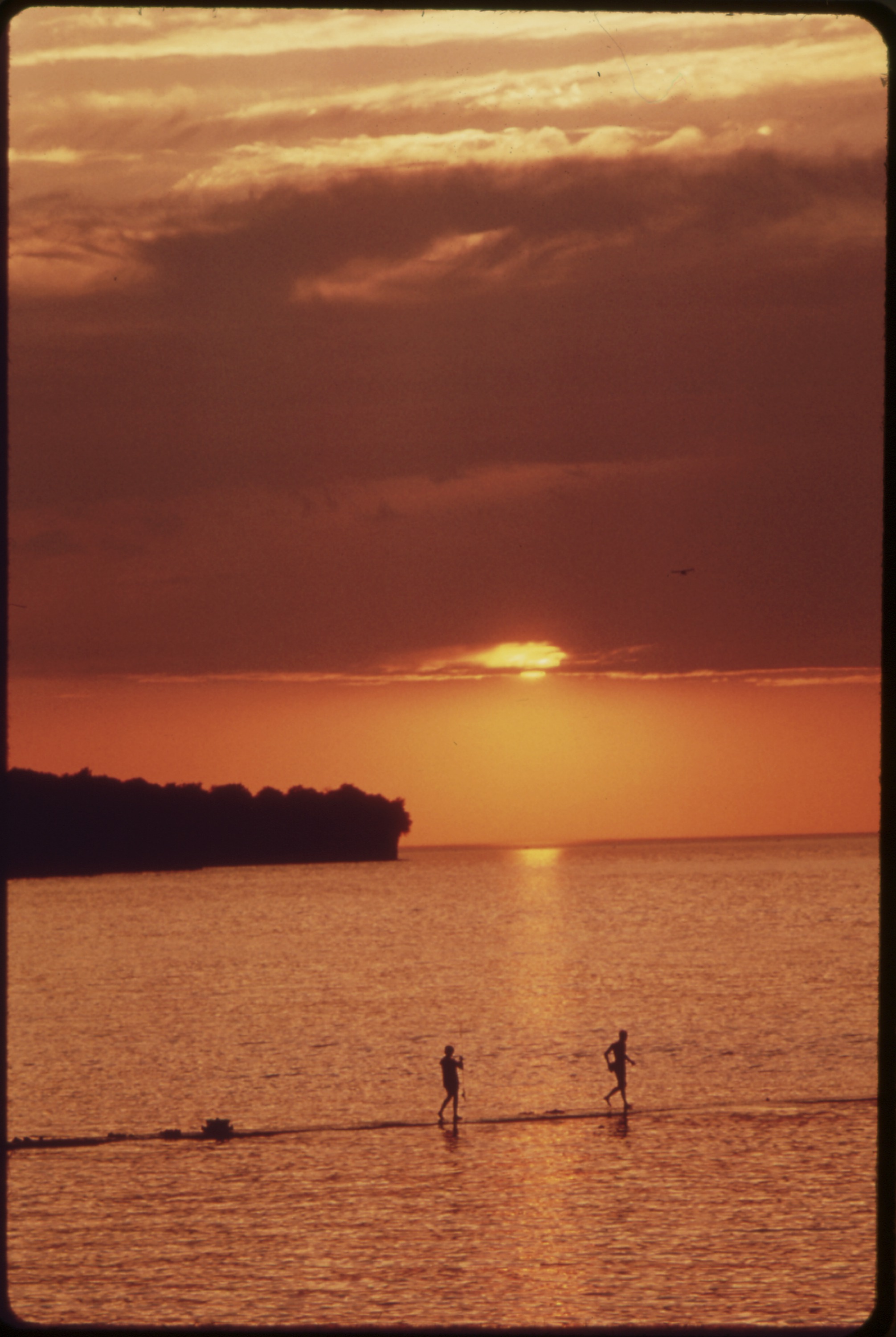
If you've spent any time on Lake Erie with a rod in your hand, you know the feeling. Rod tip bouncing, open water in every direction, and the lake doing what it's always done. Your grandfather probably stood in the same spot fifty years ago and felt the same thing.
This is the story of how we almost lost all of it, and how it came back.
The Golden Age
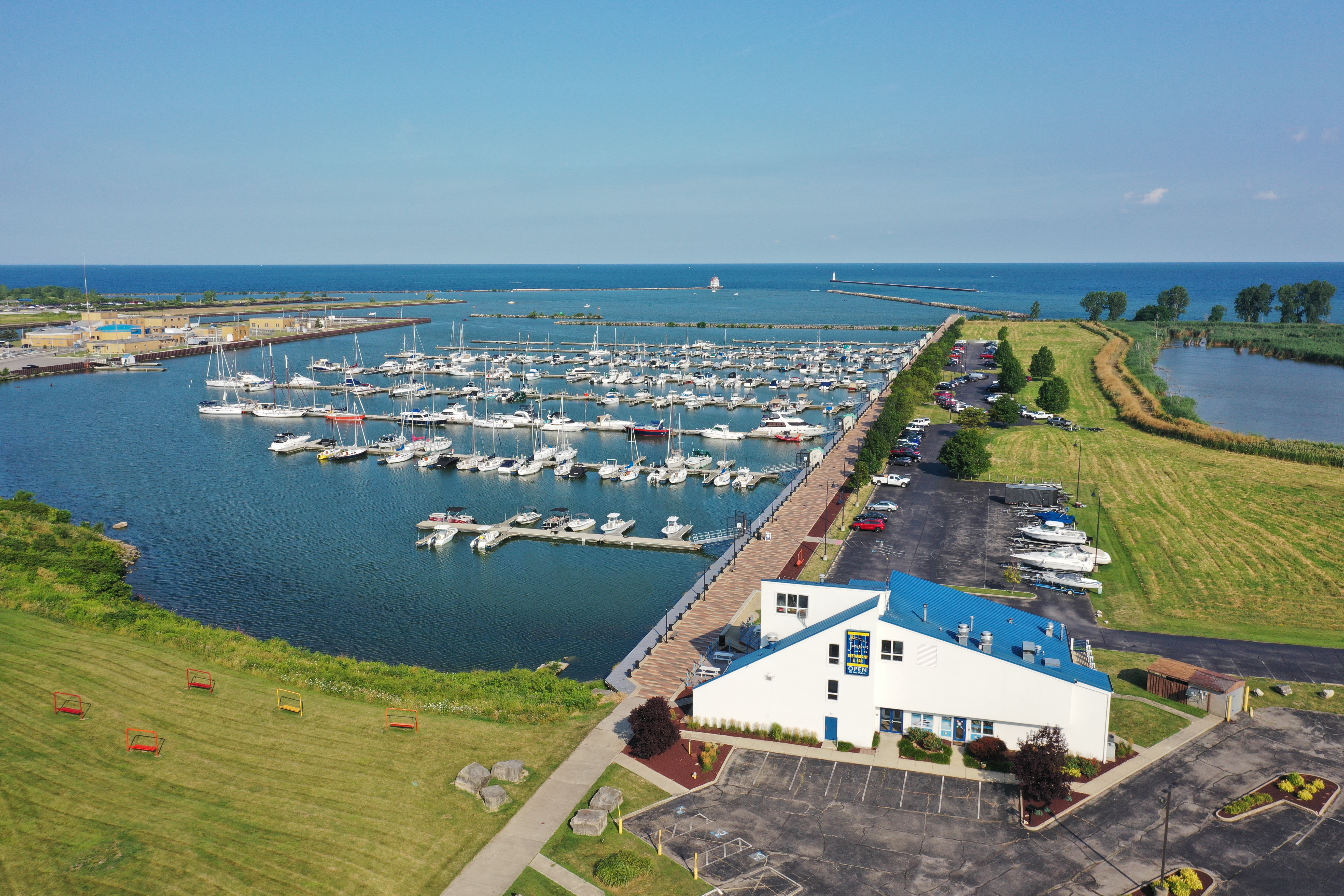
Before the interstates and the tourist brochures, the southern shore of Lake Erie was a working waterfront. Commercial fishing fleets ran out of every harbor town: Lorain, Vermilion, Huron, Sandusky, Marblehead, Port Clinton. The docks smelled like fish and diesel, and that was a good thing. It meant the lake was providing.
The charter boat industry became a way of life. Captains were local legends. You didn't just book a trip; you booked your captain. Families drove up from Columbus, Akron, and Pittsburgh every summer and fished with the same guide their parents had used. The cooler full of walleye fillets in the back of the truck on the drive home was as much a part of summer as the Fourth of July.
Head boats (the big party boats out of Lorain, Fairport Harbor, and others) made fishing accessible to everyone. No boat, no gear, no problem. Ten bucks and a free Saturday was all you needed.
The Dark Chapter
Then the lake started to change.
The blue pike deserves its own moment. This wasn't some obscure species that quietly faded away. The blue pike was the fish of Lake Erie. It fed families, sustained an industry, and filled commercial nets by the millions of pounds. At its peak in 1936, a record 26.8 million pounds were harvested in a single season. Then it was gone. Not declining. Not endangered. Extinct.
The Comeback
Lake Erie came back. Not halfway. It came roaring back.
Sit with that for a second. Within a single generation, Lake Erie went from being declared dead to producing more fish per acre than any other Great Lake. The lake holds just 2% of the Great Lakes' water but roughly 50% of their fish. The same water where fish were belly-up in the 1960s was producing world-class walleye fishing by the late 1980s.
The Traditions That Endure
The best part of this story isn't the science or the policy. It's the traditions that survived the dark years and are still going strong.
The Walleye Run
Every spring, an estimated 400,000 to 500,000 walleye crowd into the Maumee River to spawn. The banks from Perrysburg to Grand Rapids turn into a wall of anglers standing shoulder to shoulder. Side-drifting jigs tipped with minnows. Thermoses of coffee. Strangers becoming friends over a shared net. It's one of the largest freshwater sport fish migrations east of the Mississippi, drawing upwards of 70,000 to 80,000 anglers every March and April.
Fall Perch Fishing
Yellow perch are the people's fish. You don't need a $50,000 boat or a tournament rod. You need a hook, a minnow, and a spot off the breakwall. The Central Basin, off Lorain, Vermilion, and Huron, has been prime perch water for generations. Fall perch fishing is more social event than sport. Lawn chairs on the pier, a cooler of beverages, and a slow afternoon where nothing else matters for a while.
Steelhead Alley
The tributaries from Conneaut west to Vermilion form what fly anglers call Steelhead Alley. The Grand River, Chagrin River, Rocky River, Conneaut Creek, and Elk Creek in Pennsylvania draw fly fishers from across the Midwest and East Coast every fall through spring. Ohio DNR stocks steelhead annually to keep the runs strong. If you've never seen a chrome-bright fish cartwheel out of a November river, put it on the list.
The Friday Fish Fry
This one has nothing to do with catching fish and everything to do with eating them. The Friday fish fry, especially during Lent, is a cultural institution across northern Ohio. Church basements, VFW halls, and family restaurants serving up Lake Erie perch, battered and fried, with coleslaw and a cold beer. Your grandparents ate the same meal in the same kind of place.
The Fish of Lake Erie
Lake Erie supports a wide range of sport fish. Here are the headliners with current Ohio regulations.
Still Writing the Story
Lake Erie isn't done. Challenges remain: harmful algal blooms, invasive species, changing climate. But the fish are here, the traditions are alive, and the lake keeps giving people a reason to come back.
Next time you're out there, trolling for walleye at first light or jigging perch off a pier on some random Tuesday afternoon, just remember that none of this was guaranteed. We almost lost it. We got it back.
---
Sources: Ohio DNR Division of Wildlife; Great Lakes Fishery Commission; U.S. EPA Great Lakes program; NOAA Great Lakes Environmental Research Laboratory; U.S. Fish and Wildlife Service; Ohio History Connection.