The Lamprey Wars: How a Prehistoric Parasite Nearly Destroyed Lake Erie's Fishery
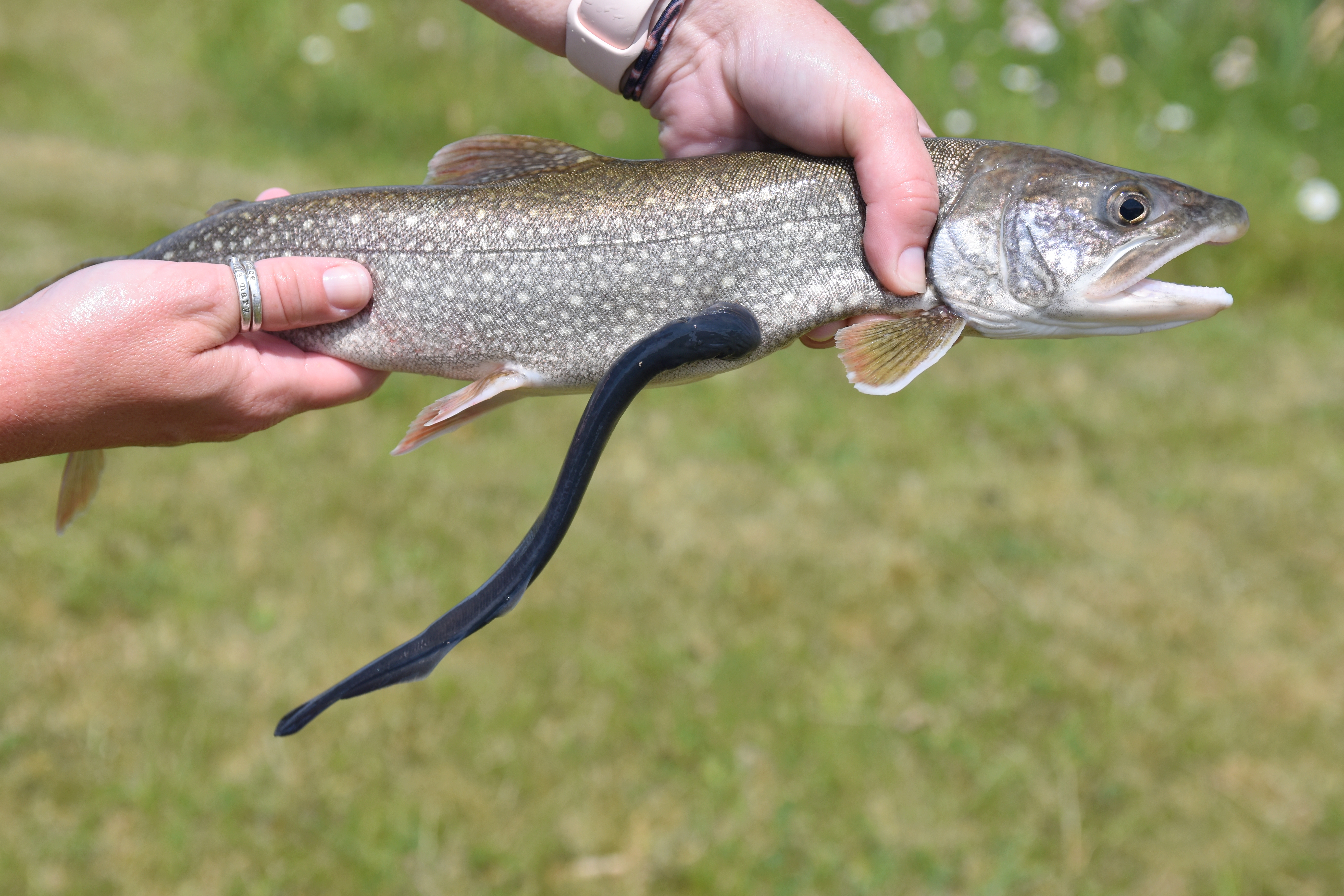
There is something in Lake Erie that has been here for over a hundred years, and it does not belong. It has no jaw. It has rows of teeth arranged in concentric circles. It latches onto the side of a fish and feeds on its blood until the fish dies. It can kill 40 pounds of fish in a single feeding cycle, and a single female can lay 100,000 eggs.
It is the sea lamprey. And it nearly destroyed every fishery in the Great Lakes.
The Invasion
The sea lamprey is native to the Atlantic Ocean. It was never supposed to be in fresh water this far inland. But humans built a canal, and the lamprey found its way in.
It took the sea lamprey just 17 years to spread from Lake Erie to Lake Superior. The Welland Canal, built to let ships bypass Niagara Falls, gave the lamprey a highway into the heart of the continent. There was no going back.
The Collapse
Before the lamprey arrived, the United States and Canada harvested about 15 million pounds of lake trout from the upper Great Lakes every year. Lake trout, whitefish, burbot, walleye, ciscoes, sturgeon. The commercial fishing industry employed thousands of families across every lake.
By the early 1960s, the lake trout harvest had dropped to 300,000 pounds. That is a 98 percent decline. In Lake Huron, it was worse. The lake trout fishery collapsed entirely. Operators reported that 85 percent of the fish they pulled from the water carried lamprey wounds on their bodies.
The lamprey did not just reduce fish populations. It destroyed an industry. Families who had fished the Great Lakes for generations had nothing left to catch.
The Search for a Weapon
The Great Lakes Fishery Commission was formed in 1954 under a treaty between the United States and Canada. Its first job was to find a way to kill sea lampreys without killing everything else in the water.
Scientists at the Hammond Bay Biological Station in northern Michigan began testing chemical compounds one by one. They needed something that would target lamprey larvae living buried in stream sediment without wiping out the rest of the ecosystem.
They tested over 6,000 compounds. Number 5,209 worked.
It was called TFM, and it exploited a biological weakness unique to lampreys. Sea lampreys have unusually low levels of the enzymes needed to break down TFM. The chemical kills them while leaving most other species unharmed. A second compound, Bayluscide, was discovered in 1963 and used as a booster.
The Fight Back
The control program worked. Lamprey populations dropped by 90 percent in most areas of the Great Lakes. Lake trout stocking programs began. Salmon were introduced. The fisheries started to recover.
But it was not a cure. It was a treatment. And it has to be repeated constantly.
Lake Erie Today
Lake Erie is not immune. In recent years, adult sea lamprey abundance in Lake Erie has increased, in some cases exceeding pre-control levels and causing mortality on stocked lake trout strains. The fight is not over.
About 200 Great Lakes tributaries are treated with lampricides on a regular cycle. Roughly 50 barriers on streams block adults from reaching spawning habitat. Traps in targeted tributaries capture up to 40 percent of migrating adults. Researchers are developing pheromone-based lures to attract lampreys into traps and alarm cues to repel them from spawning grounds.
The annual budget for the program exceeds 20 million dollars. Every year. Because if the treatments stop, the lampreys come back. They are suppressed, not eradicated. They breed in the streams, they grow for years in the sediment, and they migrate to the lakes to feed. The cycle does not end on its own.
Every walleye, every steelhead, every perch you catch in Lake Erie exists in part because someone is out there treating streams with TFM and maintaining barriers on tributaries you have never heard of. The fishing is good because the lamprey program works. And it works because it never stops.
---
Sources: Great Lakes Fishery Commission (glfc.org); U.S. Fish and Wildlife Service; U.S. Geological Survey, Great Lakes Science Center; NOAA Ocean Service; National Park Service, Great Lakes Research and Education Center; Pennsylvania Sea Grant.